drama artwork
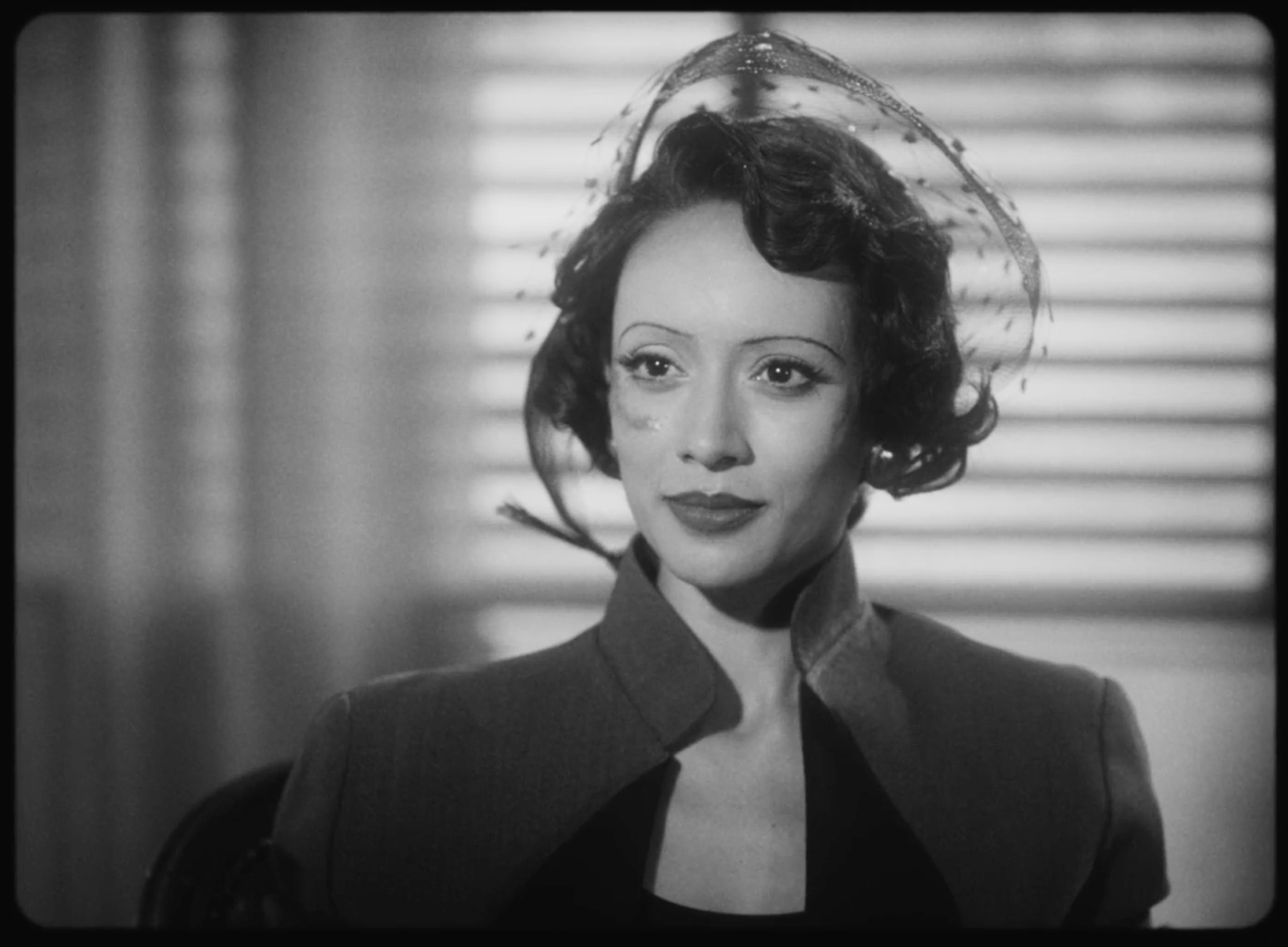
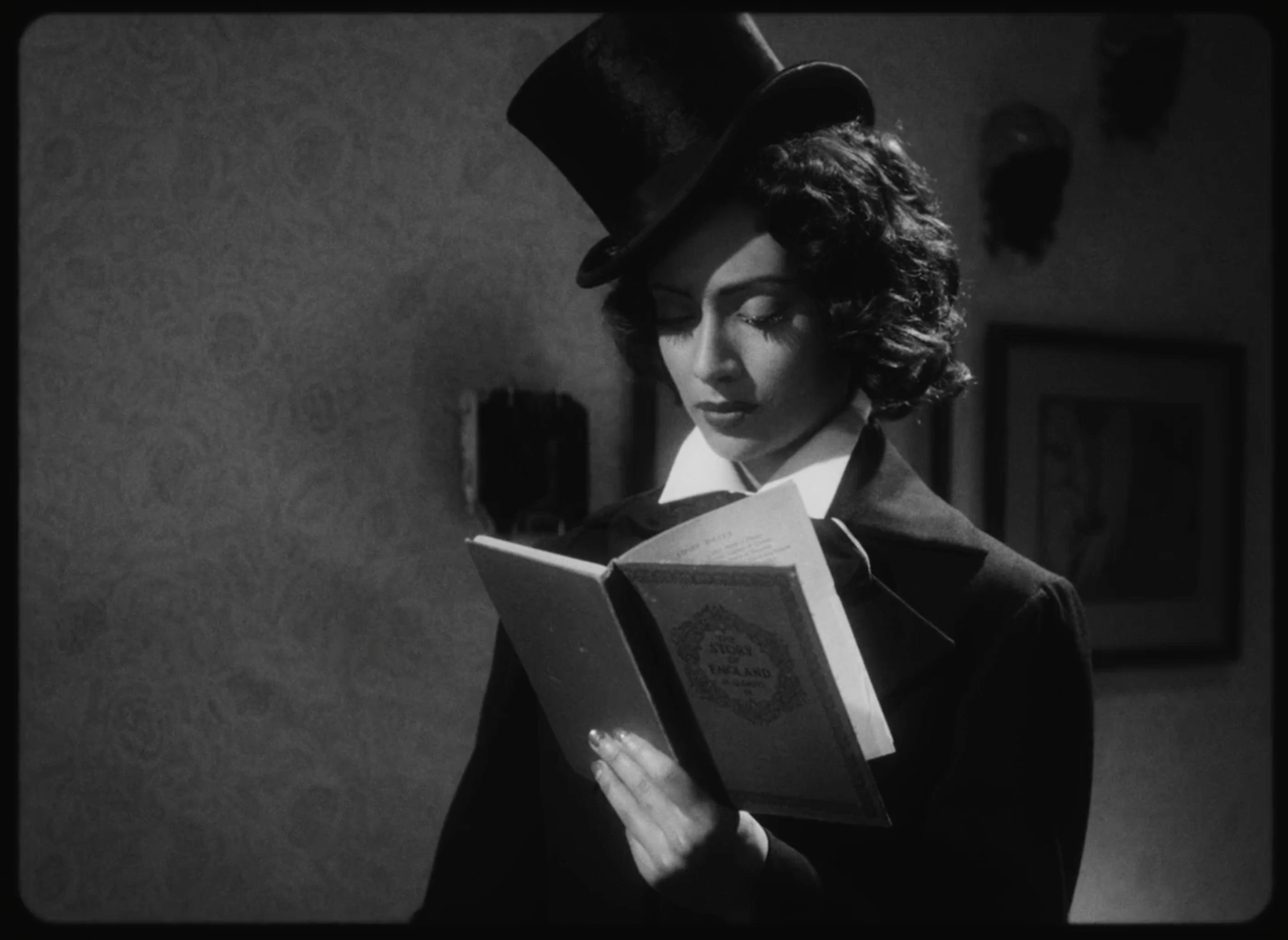
Strange Evidence is a genre bending Body Horror/Film Noir, focusing on 1930s British/Hollywood screen star Merle Oberon, who kept her mixed Sri Lankan, Indian and British heritage secret to protect her industry status. She passed as white until her death in 1979.
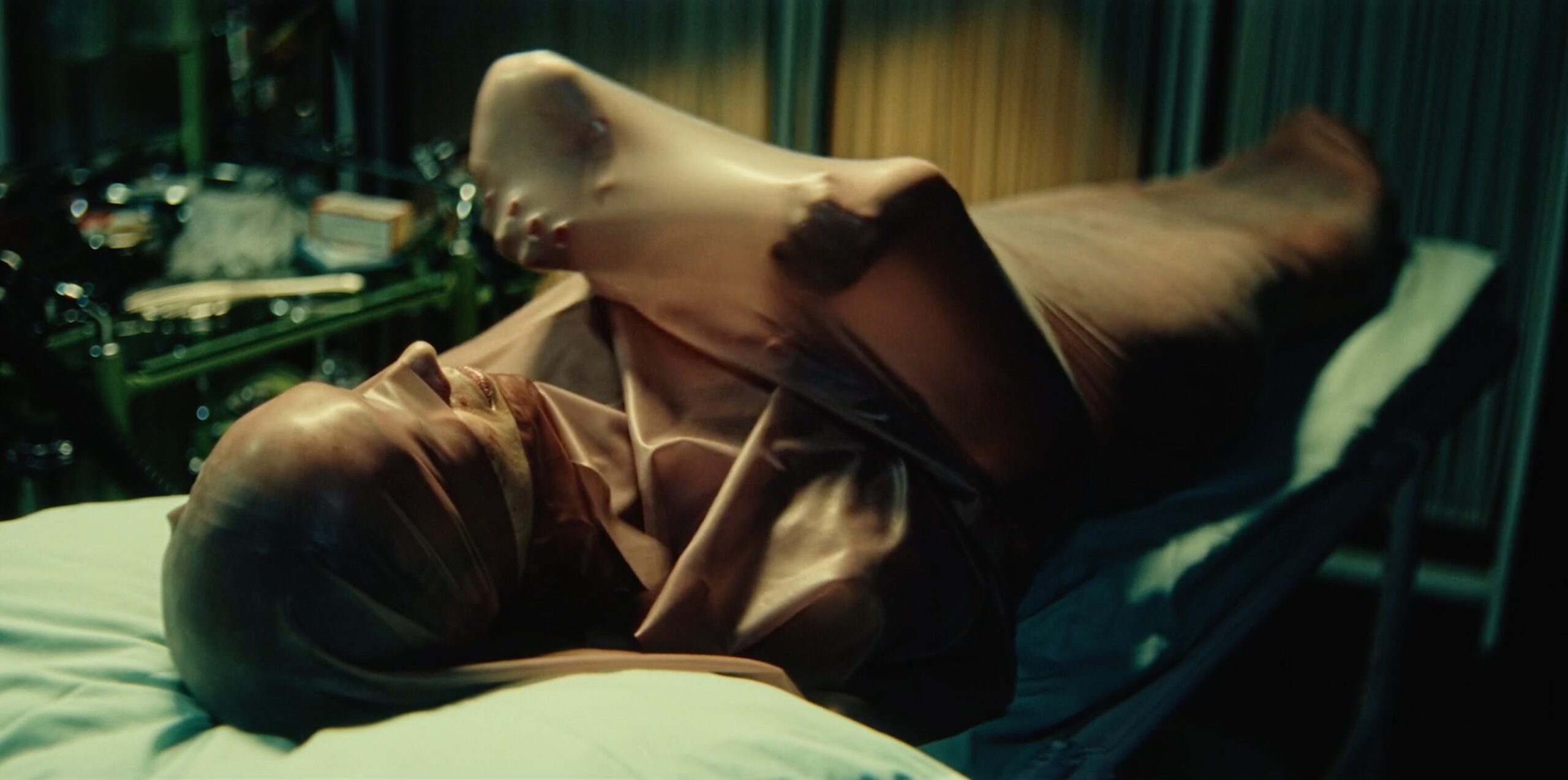
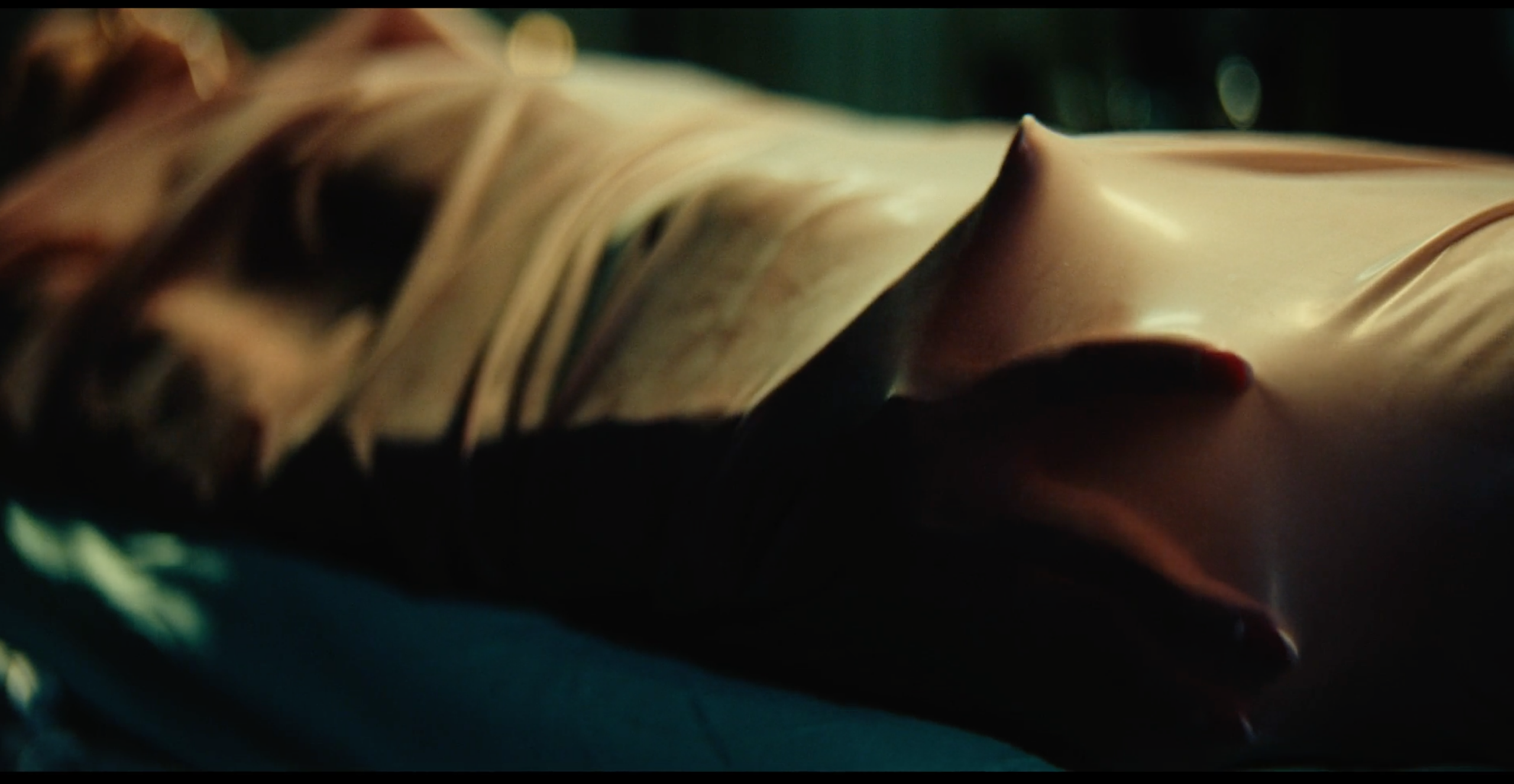
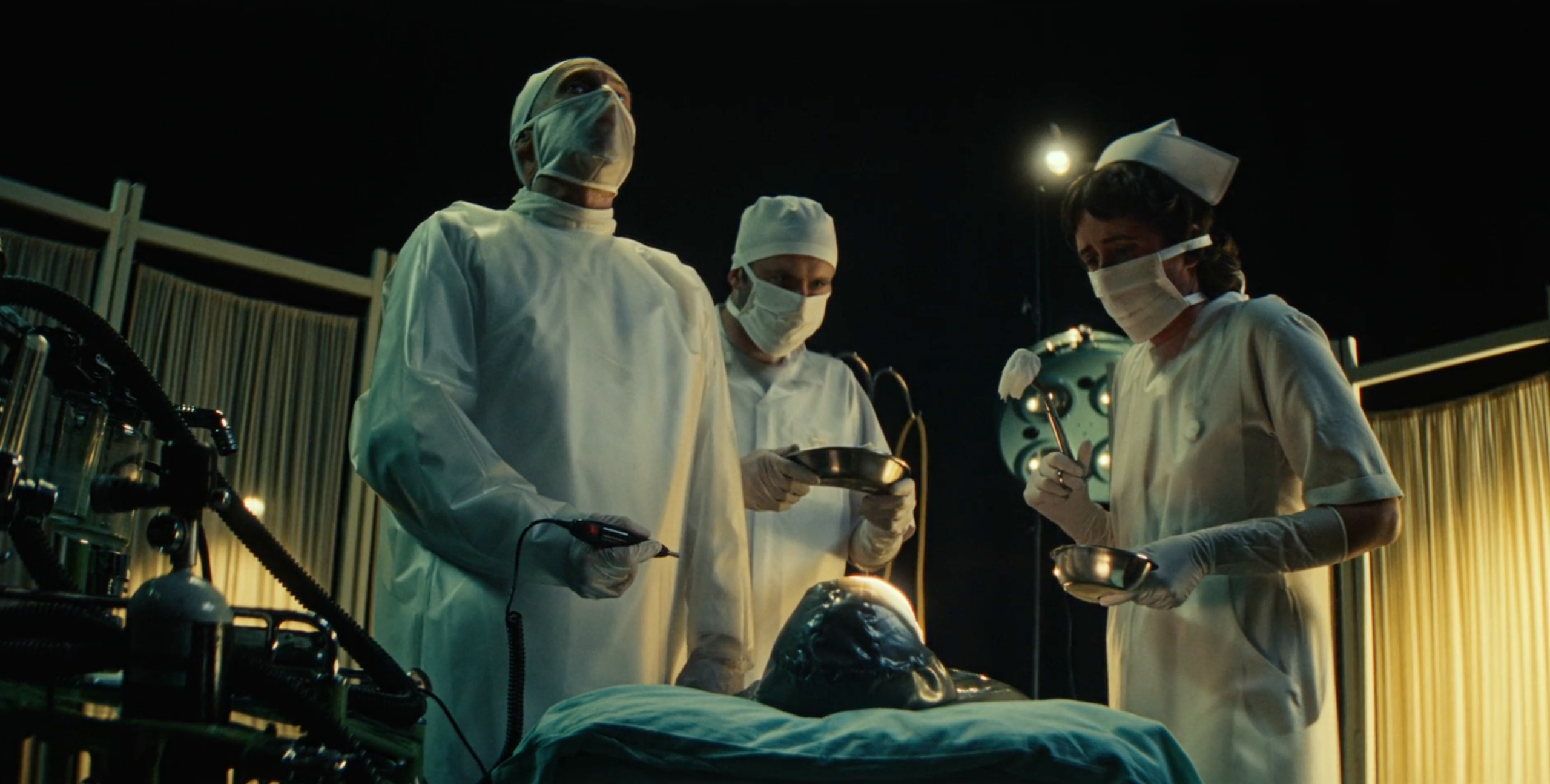
The colour scenes formed part of an art installation by Michelle Williams Gamaker at Matt’s Gallery, London in summer 2025. The show ran for 3 months and received positive reviews in the national press. The B&W scenes were filmed within the exhibition space – a film set. Post production with all the footage took place in late 2025.
You can read more about Michelle and her work here: http://www.michellewilliamsgamaker.com/about.html
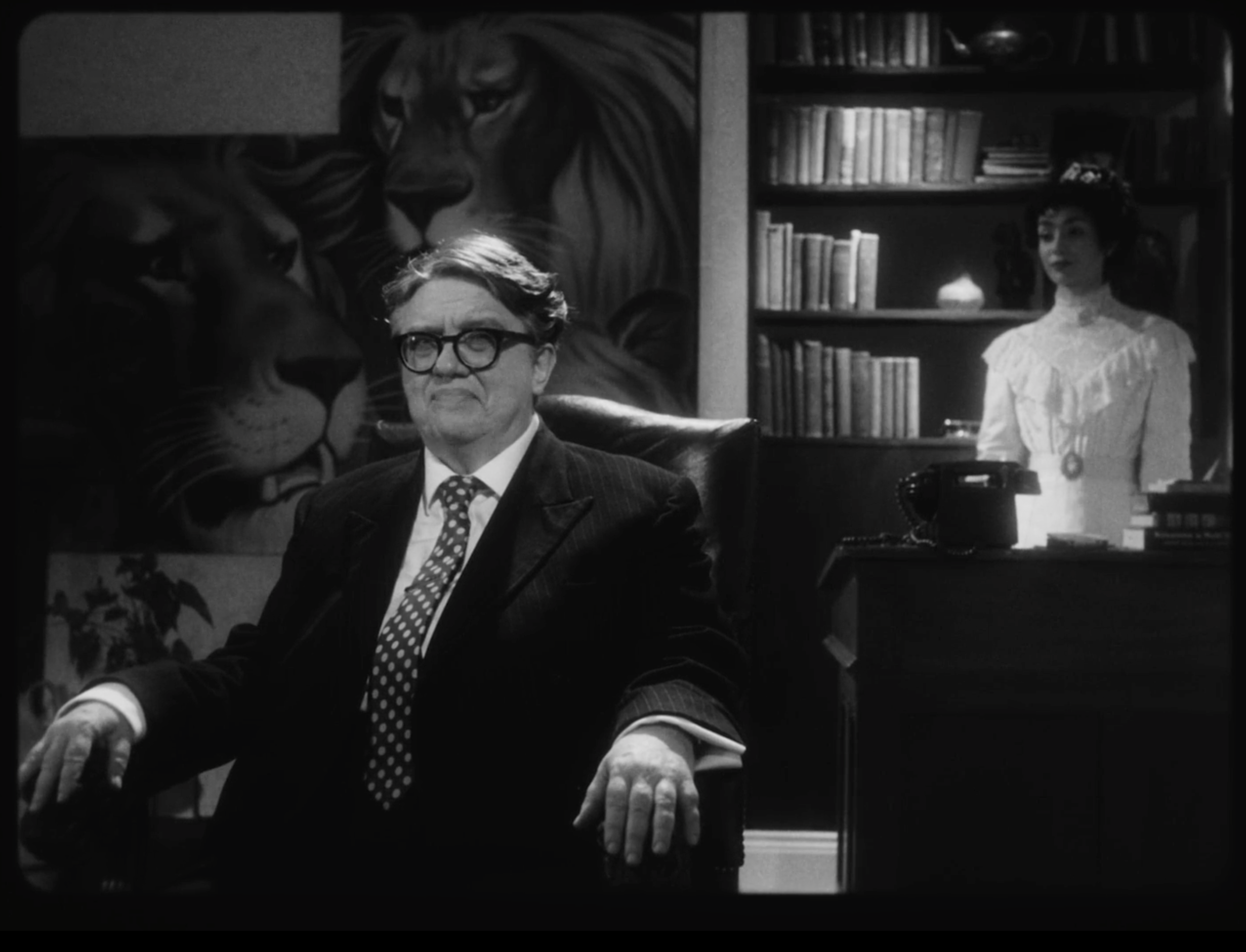
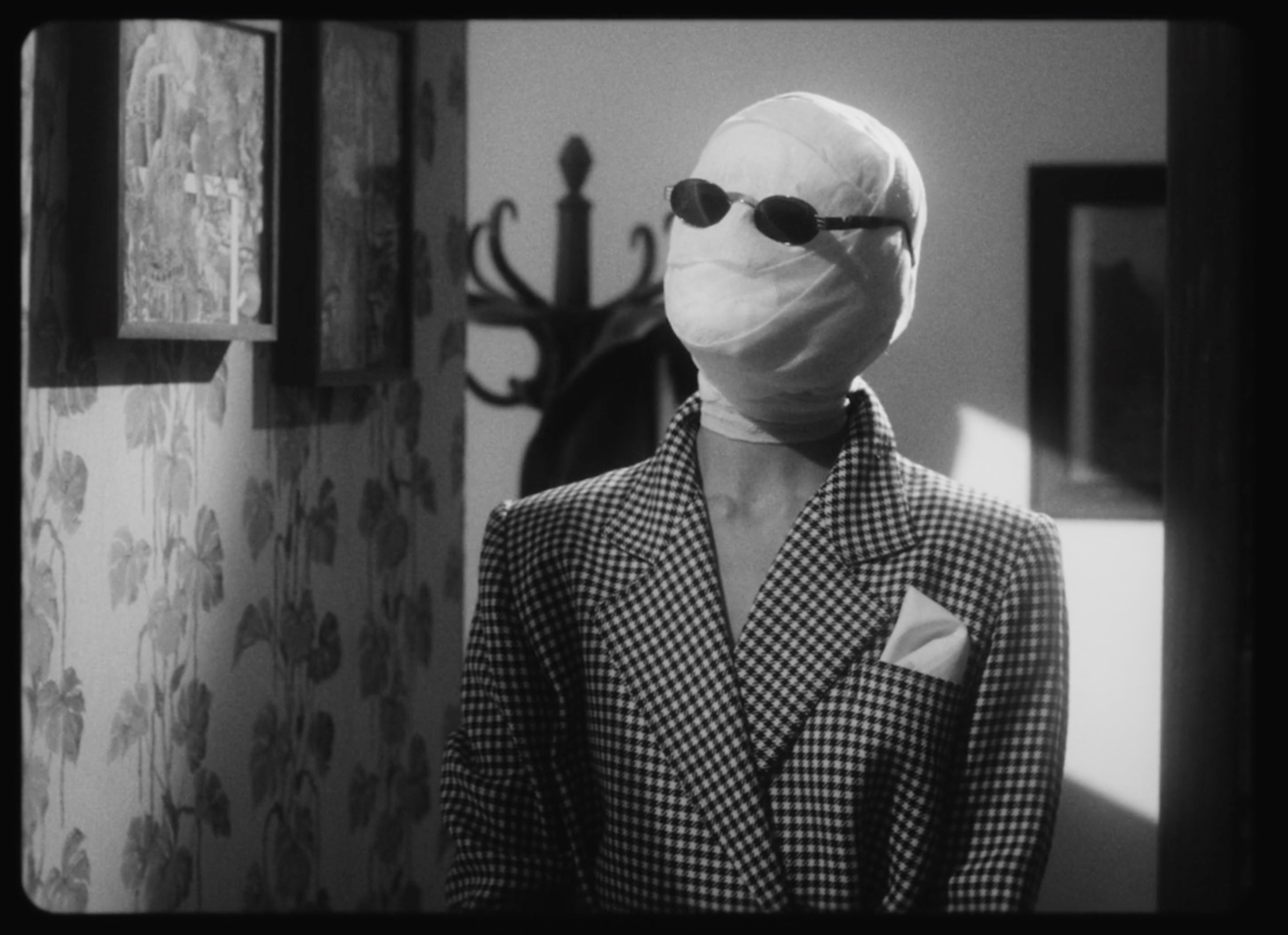
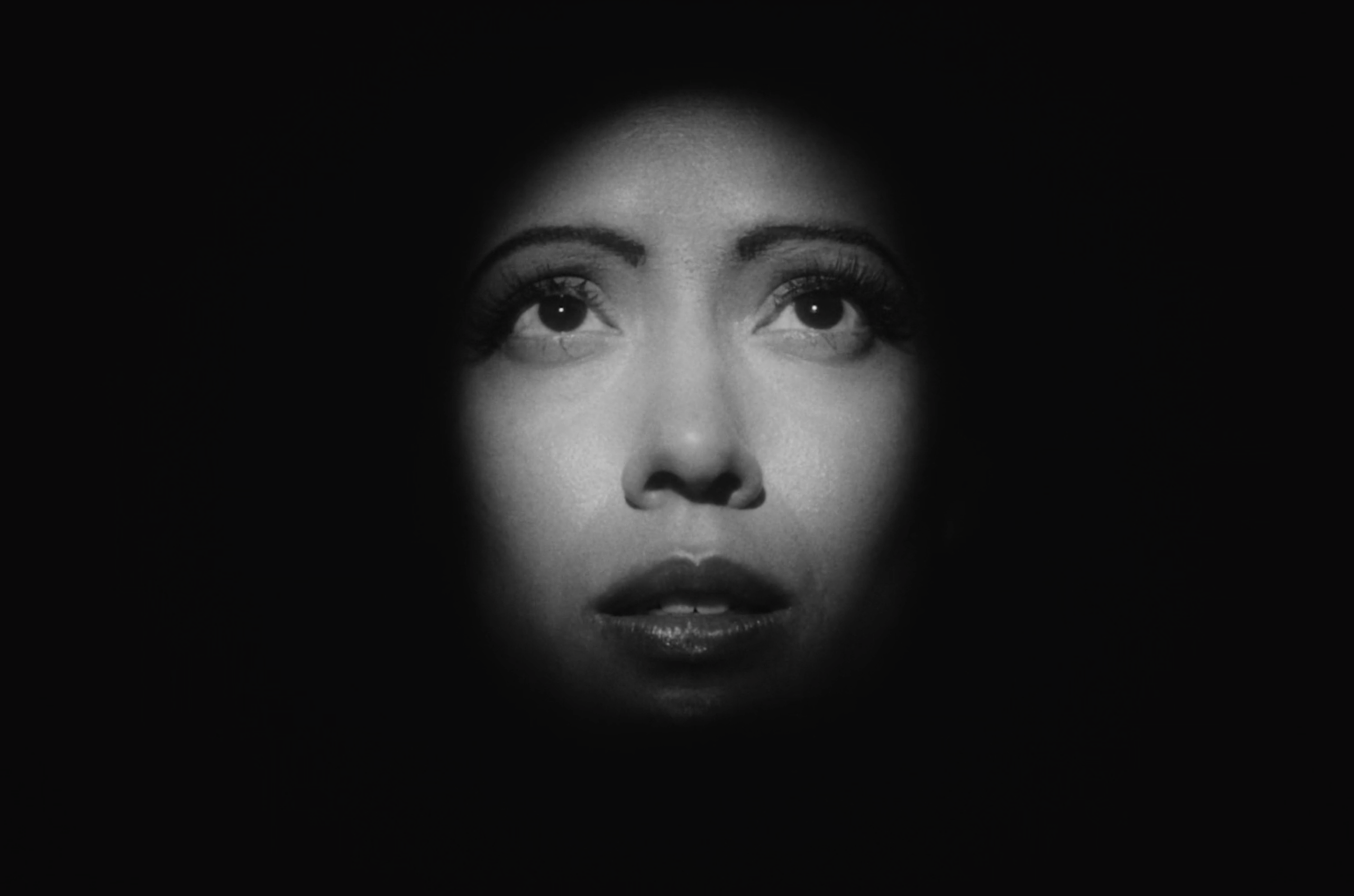
The film plays with the idea of images of the self. The realities are not fixed: where the colour surgery scenes take place, we might be in a film set; at least at the darkened edges. In the Film Noir scenes, the dialogue feels formal, performed and presented. The set is not lit naturalistically. What is shown is not all what is.
In terms of story and cinematography, we had to make sure these loose realities cohered, still felt like the same emotional trajectory. This meant every planning choice could become a much bigger question.
Some technical/ aesthetic details: I had tested extensively for a black and white film look with grader Ana Barsukova, trying even S16 lenses and cropping an Amira sensor. In the end we opted for Master Primes and heavy lens diffusion, knowing how much de-sharpening and film grain we could ad in the grade. The aspect ratio for this was 1.37:1, which mimicked for the 1930s/ 40s studio films. It was also a treat to work with hard light in the set, even with a tonne of netting and flagging. The great benefit of this type of harder light keying is how much softness you are then afforded in the image, without it falling apart!
For the colour body horror scenes, we opted for Anamorphic Atlas Mercury lenses , using Alexa Mini cameras and my own DJI Ronin 4D for the topshots. This gave us a nasty, glassy, slightly aberated base from which to push the sickly green tones vs the raw flesh colours. The greens reminded me of every cold English hospital corridor I visited growing up, insipid and unchanged for decades. The aspect ratio for the colour scenes was 2:1; this is almost, but not quite, ‘widescreen’; so this reality is not indicating a specific period in cinema.
Needless to say this film was a lot of fun.